
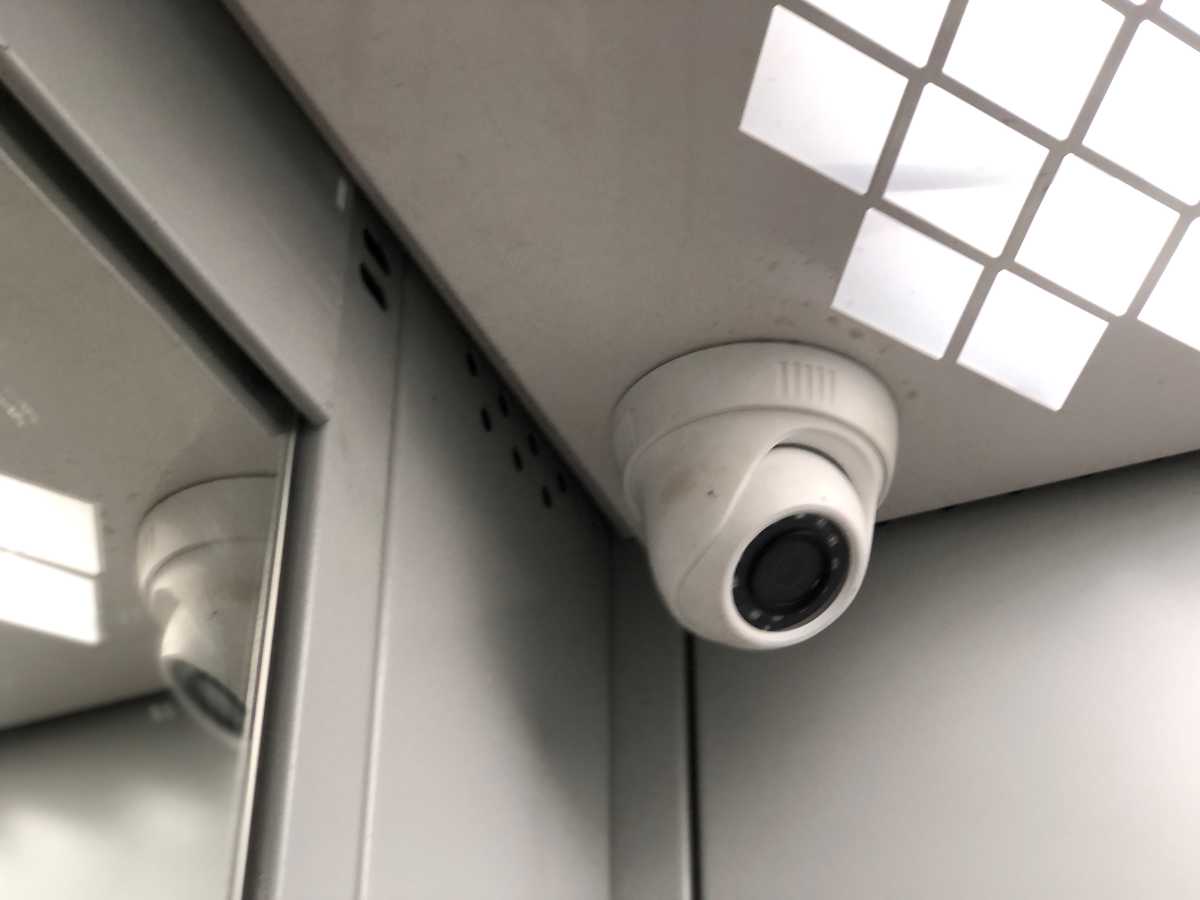
At a Glance
CCTV camera covers help protect surveillance equipment from impact damage, tampering, vandalism and long-term wear. The effectiveness of that protection is based largely on the enclosure’s materials and construction. Durable polycarbonate protective enclosures with anti-ligature protection, such as the Oystashell 4, 4C and 4L, are designed to support reliable surveillance performance across healthcare, education, custodial, transport, commercial and public environments.
Call us today or send us an enquiry to discuss the most suitable CCTV protection solution for your environment.
Who Is This Article For?
Healthcare and mental health facilities: Looking for CCTV protection where safety, physical interference and continuous surveillance are important considerations.
Custodial and secure facilities: Protecting surveillance equipment in environments where deliberate interference or tampering may affect security coverage.
Schools, education and public buildings: Reducing the vulnerability of cameras installed in busy corridors, communal areas and other high footfall locations.
Facilities and estate teams: Comparing CCTV enclosure materials, protection features and camera compatibility when selecting protection for existing surveillance infrastructure.
Questions We Answer
- Why do CCTV cameras need protective covers?
- What are CCTV camera covers made of?
- What makes a CCTV enclosure durable?
- Where can durable CCTV protection make the biggest difference?
- Which Oystashell® CCTV cover is right for your camera?
Why Do CCTV Cameras Need Protective Covers?
CCTV systems are major security equipment and are usually installed in locations where they’re expected to operate continuously, regardless of the conditions around them. Surveillance equipment plays an important role in supporting safety, security and operational oversight across many establishments, from healthcare facilities and schools to transport hubs and custodial environments.
Yet cameras themselves can be surprisingly vulnerable, exposed to accidental damage from maintenance equipment, deliberate tampering, attempted vandalism or general wear and tear over the long run.
In these cases, can purpose-built enclosures really help? Can CCTV camera covers be damaged by impact? How reliable are the enclosures? The answers to these questions depend on the quality of the enclosure protecting the equipment. While some covers may crack or deteriorate under pressure, purpose-built anti-ligature CCTV covers are designed to absorb impacts and shield cameras from damage.
Protective covers serve a broader purpose beyond safeguarding the camera itself. They also reduce maintenance requirements, support longer equipment lifecycles and help ensure surveillance systems remain operational in demanding environments. As CCTV infrastructure becomes more widespread across public-facing spaces, the strength of the enclosure surrounding the camera is increasingly becoming a key consideration. Let’s find out what they’re made of.
What Are CCTV Camera Covers Made Of?
When you’re assessing the durability of a CCTV enclosure, one of the first questions to ask is “What are CCTV covers made of?” The answer varies depending on the intended application.
Basic housing is manufactured from lightweight plastic that provides some protection against dust and environmental exposure, but may offer limited resistance to physical damage. In contrast, you must choose polycarbonate surveillance enclosures designed for challenging environments. This material is widely recognised for its strength, impact resistance and ability to maintain transparency without becoming brittle as time goes on.
Material choice matters when CCTV systems are installed in extremely controlled environments. For example, surveillance infrastructure in healthcare or custodial facilities may require additional protection against interference or misuse. Similarly, cameras in schools may be accidentally damaged in busy corridors and equipment in transport settings can be exposed to constant public interaction and deteriorate more quickly.
For those reasons, it’s smart to look beyond weather resistance alone and consider factors such as impact protection, shatter resistance, durability and long-term performance when you’re selecting CCTV enclosures.
Key Features of a Durable CCTV Enclosure
Durability is about more than simply placing a cover over a camera. The enclosure must protect equipment while allowing it to function effectively throughout its service life. Look for CCTV enclosures designed with this challenge in mind. Here are some of the features to look for:
1. Designed to Resist Everyday Impact
Many CCTV cameras are installed in locations where accidental contact is difficult to avoid. Cleaning equipment, maintenance activities, deliveries and everyday building operations can all create opportunities for equipment damage. A robust enclosure is designed to reduce the likelihood of impacts affecting the camera itself, so choose high-impact polycarbonate construction to reduce the risk of cracking.
2. Protection Against Tampering and Vandalism
Physical interface remains one of the most common threats to surveillance infrastructure. Deliberate attempts to damage or tamper with cameras can compromise security coverage and create unnecessary maintenance costs. This is where anti-ligature solutions become particularly important, such as protective housings that create a physical barrier between the camera and potential sources of damage while maintaining clear visibility for monitoring.
3. Built For Long-Term Infrastructure Protection
The true measure of toughness is not whether a cover survives a single impact. It’s whether the enclosure continues to perform reliably after years of exposure to operational demands. By combining durable materials with secure installation methods, protective equipment housing can help extend equipment lifespan, reduce maintenance interventions and support more reliable surveillance coverage over the long term.
If your organisation is responsible for estates or multiple facilities, these features can have a meaningful impact on operational efficiency.
Where Durable CCTV Protection Solutions Make The Biggest Difference
The benefits of reliable CCTV protection are especially apparent in environments where equipment is exposed to increased risks. Here are some of the settings that may benefit from this type of solution.
1. Healthcare and Mental Health Facilities
Healthcare environments require careful consideration of both safety and infrastructure protection. Surveillance equipment may be installed in corridors, entrances, communal areas and other spaces where continuous operation is important. This equipment must be protected from accidental damage while contributing to a safe environment for service users and staff.
2. Educational Buildings
Schools, colleges and universities experience constant movement throughout the day. Corridors, entrances, sports facilities and communal areas all place demands on surveillance infrastructure. Protective camera enclosures help reduce the likelihood of accidental damage in such settings while supporting the long-term reliability of equipment.
3. Transport and Public Infrastructure
Transport facilities place CCTV equipment in some of the busiest environments imaginable. Stations, terminals, waiting areas and public buildings experience heavy footfall throughout the day. In these locations, camera housings provide additional protection for surveillance systems that need to remain operational despite constant public exposure.
4. Custodial and Secure Environments
Custodial settings present unique challenges for surveillance infrastructure. Equipment may face a greater risk of deliberate interference, making physical protection an important consideration. Durable CCTV enclosures support broader security objectives by reducing opportunities for tampering and maintaining uninterrupted monitoring.
5. Commercial and Community Space
Commercial premises, leisure centres, community buildings, warehouses and industrial facilities all rely on CCTV systems to support daily operations. Facilities managers responsible for these sites are often considering how to prevent damage to security cameras while balancing maintenance budgets and operational requirements.
Anti-ligature CCTV enclosures can play an important role in achieving these objectives for all the above locations and beyond by reducing equipment vulnerability and extending service life.
Choose The Right CCTV Protection Solution With Oystashell
The durability of a CCTV enclosure can significantly affect the reliability of the surveillance system. While cameras are designed to capture and record activity, they depend on effective physical protection to remain operational in demanding environments.
Choose Oystashell’s CCTV enclosures in such circumstances, as they are designed for use in demanding environments while maintaining visibility of the enclosed camera. Unlike generic housing, which focuses solely on covering equipment, the Oystashell range is made to accommodate different surveillance needs. Whether you choose the corner placement profile of the Oystashell 4C, the more compact design of the Oystashell 4, or the larger profile protection of the Oystashell 4L, each enclosure is designed to help protect surveillance infrastructure against impact, tampering and everyday wear.
Selecting the right CCTV enclosure is an important step towards maintaining long-term operational reliability. To discuss your requirements and explore how tough Oystashell’s CCTV enclosures are, send us an enquiry or contact us today to speak with one of our professionals.