
At a Glance
CCTV camera damage in public buildings is often caused by accidental impacts, tampering, environmental contamination, routine maintenance activities and unsuitable installation locations. Understanding these risks enables facilities managers and estates teams to specify appropriate protective measures, reduce avoidable maintenance and improve the long-term reliability of surveillance systems.
Call us to discuss your CCTV protection requirements or fill in our form for guidance on selecting the right solution for your installation.
CCTV Camera Protection Matters in Public Buildings
CCTV systems need to be tough as they play a vital role in maintaining safety, monitoring activity and supporting incident investigations across public buildings. From hospitals and schools to transport hubs and custodial facilities, reliable surveillance depends on cameras remaining operational in environments that are usually highly active and experience heavy footfall.
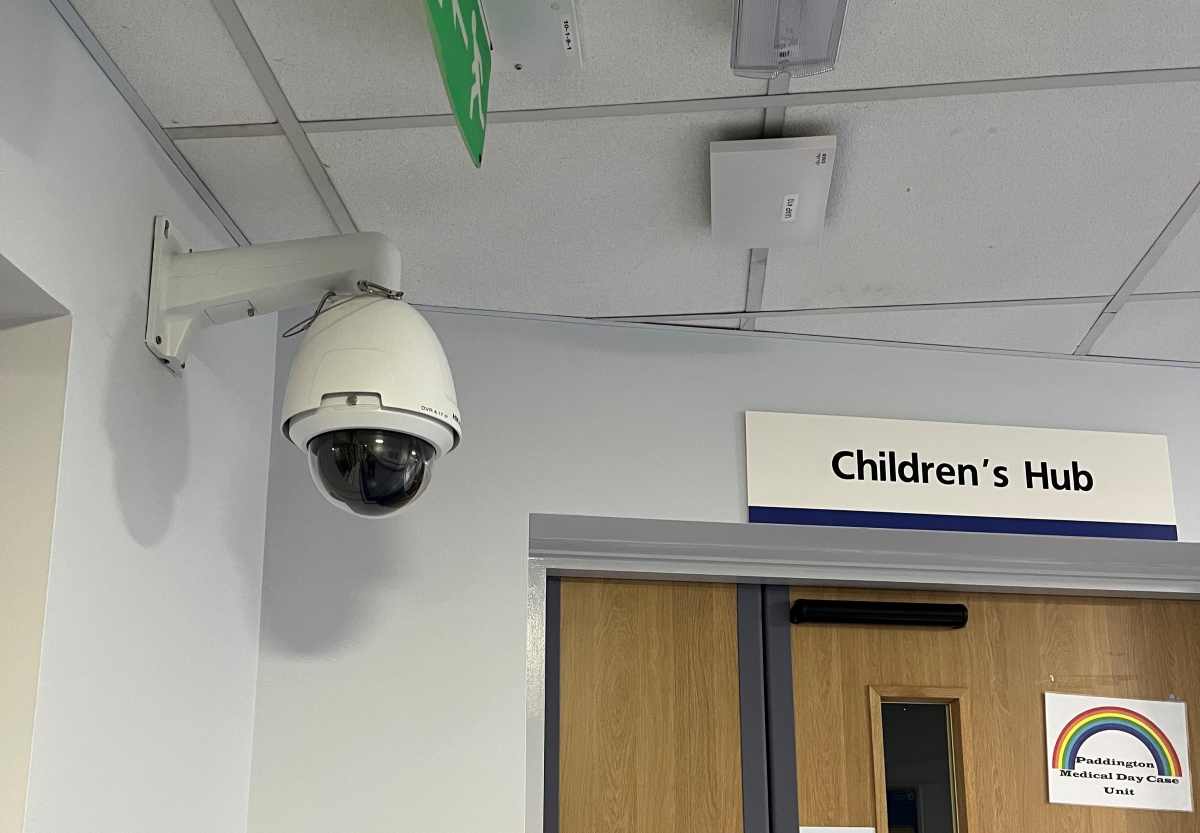
When CCTV cameras are damaged, they create blind spots and disrupt security, leading to unplanned maintenance costs. However, the reasons behind CCTV camera damage are not always deliberate. Regular building operations, environmental conditions and unsuitable installation locations can all contribute to a damaged CCTV camera, particularly where equipment is left exposed.
Knowing what causes damage to CCTVs enables facilities managers and estates teams to take practical steps to improve equipment longevity while maintaining consistent surveillance.
Causes of Damage to CCTV Cameras in Public Buildings
Public buildings present a range of operational challenges that can affect surveillance equipment in the long run. Identifying the most common causes of CCTV camera damage makes it easier to plan installations and take preventive measures that are both durable and appropriate for the environment.
1. Accidental Impact in High Traffic Areas
Busy corridors, entrances, waiting areas and communal spaces experience constant movement throughout the day. Equipment positioned close to pedestrian tours may be struck by a ladder, trolley, maintenance equipment or items being transported through the building. Even a minor impact can damage CCTV cameras, particularly if protective measures are not taken during installation.
In such locations, selecting the right protective infrastructure is just as important as choosing the right CCTV camera. Purpose-designed CCTV covers provide an additional layer of protection, helping to reduce avoidable damage while allowing surveillance systems to remain fully operational. Oystashell’s protective CCTV covers, designed to safeguard surveillance equipment from everyday operational risks while supporting safer, more durable installations.
For cameras installed in busy circulation areas, the Oystashell 4 protects most standard dome cameras. At the same time, the Oystashell 4L is designed for larger models and protects against accidental impacts and everyday operational wear. Manufactured from high-impact polycarbonate, it helps reduce the risk of CCTV camera damage.
2. Tampering and Unauthorised Interference
Not every damaged CCTV camera is the result of accidental impact. In public buildings, particularly those that support vulnerable service users or operate in higher-risk environments, surveillance cameras may be deliberately tampered with or obstructed. Attempts to interfere with cameras can compromise security and increase maintenance requirements.
Reducing these risks begins with selecting protection that is designed for the environment in which the camera operates. Oystashell’s CCTV covers incorporate anti-ligature and anti-tamper design principles, including rounded edges, flush mounting and tamper-resistant fixings, to reduce opportunities for interference and protect the equipment itself. This makes them particularly suitable for healthcare facilities, custodial settings and other environments where both safety and security must be carefully balanced.
3. Dust, Dirt and Environmental Contamination
Environmental conditions can also contribute to CCTV camera damage, even when there is no obvious physical impact. Dust, airborne debris and moisture gradually build up on camera housings and lenses, degrading image quality and increasing the likelihood of maintenance issues or premature equipment failure. These issues are commonly encountered in warehouses, transport hubs, sports facilities and other busy public spaces.
An exposed CCTV camera or one fitted with a standard cover is naturally more susceptible to contaminants than one fitted with a purpose-designed protective cover. Oystashell’s CCTV covers create a durable barrier that helps reduce the build-up of dust and moisture, while reducing maintenance requirements over the lifetime of the system. Selecting the appropriate cover for the location reduces maintenance demands and supports consistent performance over time.
4. Damage During Cleaning and Maintenance Activities
Routine cleaning and maintenance are essential for keeping public buildings safe and operational, but CCTV equipment is usually overlooked during these activities. Harsh cleaning chemicals, abrasive cloths and rough handling can scratch camera domes, reduce image clarity or damage external components in the process. Even opening protective housing more frequently than necessary can increase wear on fixings and fittings.
Addressing this aspect is crucial because protecting CCTV cameras isn’t only about preventing impacts. It is also about making routine maintenance less complicated. Oystashell’s transparent CCTV covers allow facilities teams to visually inspect equipment without removing the enclosure, helping to minimise handling while keeping cameras protected during everyday maintenance.
5. Damage Due To Incorrect Camera Placement
Even high-quality surveillance equipment can become damaged if it is installed in an unsuitable location or paired with inappropriate protection. Cameras positioned in vulnerable areas or fitted with standard covers that do not match the installation environment may require more frequent repairs over their service life.
Selecting protection according to both the camera model and its operating environment is an important part of long-term infrastructure planning. Oystashell’s CCTV range includes the Oystashell 4, 4C, 4L and 4360, enabling organisations to choose protection that reflects the size, type and location of the camera, rather than relying on a one-size-fits-all approach.
Not sure which CCTV cover is right for your installation? Our experts are here to help you choose the best fit for your cameras and environment. Contact us today.
Reducing the Risk of CCTV Camera Damage with Oystashell
Preventing CCTV camera damage is rarely about a single product or installation decision. It requires surveillance equipment to be considered as part of the wider building infrastructure, ensuring the camera remains protected at all times.
Oystashell supports organisations by offering protective CCTV covers for a wide range of surveillance devices, from compact dome cameras to larger and 360° surveillance models used across various environments. They are designed to accommodate different camera sizes and installation requirements, allowing facilities managers, contractors and estate teams to specify protection that suits each location.
Alongside the product range, Oystashell provides guidance on selecting the appropriate protective solution for different operational settings, helping organisations make informed decisions during new installations, refurbishments and equipment upgrades. Taking this approach can reduce avoidable disruption, support planned maintenance programmes and contribute to more reliable surveillance across the building.
Supporting Long-Term CCTV Infrastructure Reliability with Oystashell
No two CCTV camera installations are the same and factors such as camera models, mounting locations and operational requirements vary from one site to another. This is why selecting the right protective cover is an important part of the specification process.
We at Oystashell work with healthcare providers, custodial facilities, education settings, public organisations and contractors across the UK, US, Australia and other global markets, supplying CCTV covers designed for a wide range of surveillance devices.
If you’re working on new installations, replacing existing covers or need guidance on choosing the right model for your environment, call us, email your queries or submit our online enquiry form to speak with the Oystashell team.